
Scale Scouts Music theory that actually sounds good.

Scale Scouts

Music theory that actually sounds good.

Latest Articles

Two Seconds, One Motif: Ear Training With the Sounds Between Shows
Ear Training

Two Seconds, One Motif: Ear Training With the Sounds Between Shows

Before the show starts, your streaming app plays a tiny sonic logo—often just two or three notes. Those mini-motifs are free interval flashcards. Here is how to turn the ta-dum and its cousins into a two-minute ear-training game.
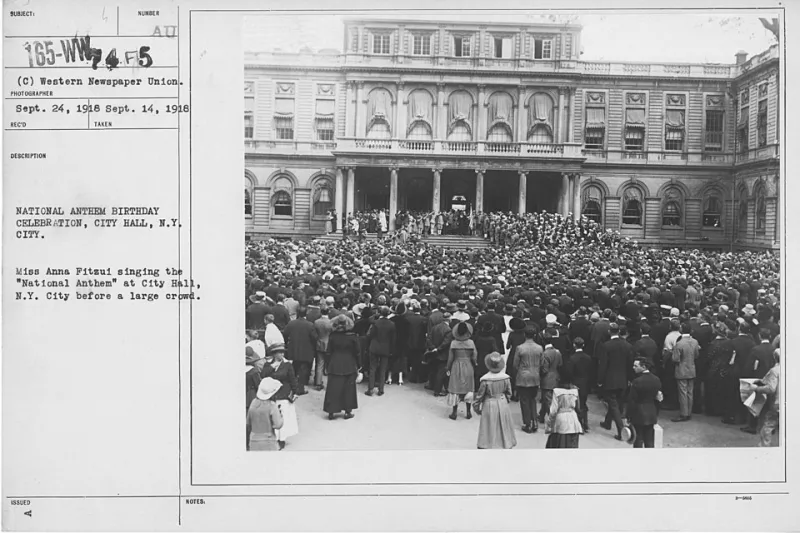

Nineteen Semitones and a Prayer: Ear Training Lessons From the National Anthem
Opinion

Nineteen Semitones and a Prayer: Ear Training Lessons From the National Anthem

Almost nobody sings the national anthem comfortably, and that's exactly what makes it a great teacher. Here's an unpopular opinion: the hardest song in American public life is also the best free ear-training course we've got.

Thirty Days, Five Minutes, One Patch: A Beginner's Ear-Training Field Plan
Ear Training

Thirty Days, Five Minutes, One Patch: A Beginner's Ear-Training Field Plan

Ear training fails for one boring reason: nobody ever tells you when you're done. This scout-style badge plan gives you thirty tiny missions, a fridge-worthy tracking sheet, and a stamp-it-yourself finish line. No sheet music, no grades, five minutes a day.

Shell Stations and Solfege: A Road-Trip Game for Naming Scales on the Dial
Ear Training

Shell Stations and Solfege: A Road-Trip Game for Naming Scales on the Dial

Next time the interstate turns into a wall of FM static, make it a listening game. Here’s a passenger-friendly way to spot major, minor, and pentatonic scales on country, pop, and rock stations—no instrument, no apps, and no backseat mutiny required.

Mario’s Coin, Zelda’s Chest, and the Hidden Scales of Game Rewards
Opinion

Mario’s Coin, Zelda’s Chest, and the Hidden Scales of Game Rewards

The coin sound lasts about a second, but it is doing real music-theory work. A case for treating game reward jingles as bite-size ear training—and five listening drills you can try without picking up an instrument.

Your Karaoke Go-To Is a Pop Quiz for Your Ears
Ear Training

Your Karaoke Go-To Is a Pop Quiz for Your Ears

The song you grab the mic for says more about your listening habits than your vocal range. Here’s how to use three karaoke staples—power ballad, pop anthem, country crossover—to spot pitch-matching, interval, and key-awareness blind spots, then drill them with nothing but your phone.

Trailers Are Secretly Teaching You Scales (and You Keep Falling for It)
Opinion

Trailers Are Secretly Teaching You Scales (and You Keep Falling for It)

Blockbuster trailers run on the same five musical tricks—and every one is a mini theory lesson. Here’s what the brass swell, the ticking pulse, and the minor-key piano are doing to your ears, plus phone-friendly drills to hear it on purpose.

The Kitchen Metronome: Seven Everyday Noises That Are Quietly Training Your Ear
Ear Training

The Kitchen Metronome: Seven Everyday Noises That Are Quietly Training Your Ear

You don't need a practice room to practice. Your microwave, doorbell, and phone buzzer are already running tiny ear-training drills all day — you just haven't been playing along. Here are seven household sounds worth eavesdropping on.

Numbers Over Notation: Why Session Players Hear Chord Changes Before They Name Them
Opinion

Numbers Over Notation: Why Session Players Hear Chord Changes Before They Name Them

The Nashville Number System gets taught like arithmetic, which is why it scares people off. It isn't math — it's a way of hearing where a song is about to go. Here's the argument for learning it by ear first.

Scales Are Not a Checklist: Shuffle Your Practice and Train Your Ears
Opinion

Scales Are Not a Checklist: Shuffle Your Practice and Train Your Ears

Running scales from bottom to top is a finger workout, not an ear workout. A shuffled, song-based scale scavenger hunt can make beginners hear scale degrees in 2026 instead of just reciting them.

Twelve Bars, No Sheet Music: The Blues Is Your Ear-Training Shortcut
Ear Training

Twelve Bars, No Sheet Music: The Blues Is Your Ear-Training Shortcut

The 12-bar blues gives beginners a tiny harmonic neighborhood where chord changes, scale degrees, and call-and-response make sense by sound instead of sight. Here is how to turn its simple form into a weekly ear-training workout.